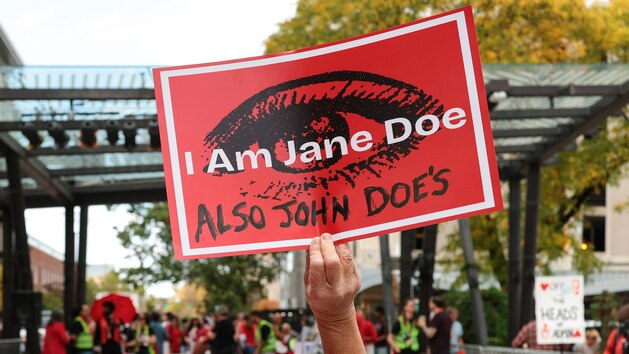
Days before a former undergraduate student now known as Jane Doe filed a civil lawsuit alleging a fraternity house gang rape, Cornell University was negotiating a way for the fraternity to return to campus in a matter of years, documents obtained by ABC News show.
Cornell said the fraternity, Chi Phi, could return to campus as soon as 2030 if it admitted to certain violations of the university's student code of conduct.
The documents show negotiations were underway as early as March and stalled on Sept. 10, four days before Jane Doe filed her lawsuit that alleged seven fraternity brothers plied her with alcohol and ketamine, snorted the drug off her body, and sexually assaulted her over a period of hours in October 2024.
All seven have denied wrongdoing.
Cornell's proposal required Chi Phi to admit the chapter violated provisions of the student code governing "alcohol-related behavior," "collusion or complicity," "drug-related behavior," "misconduct related to student organizations or groups" and "assault and endangerment," which prohibits unwelcome physical contact and preventing a person from leaving a location.
The alleged gang rape is now being investigated by the New York attorney general's office.
The university offered the Chi Phi chapter two options for reinstatement, according to the documents. One made the fraternity eligible to return from suspension in 2031. The second lifted Chi Phi's suspension a year earlier but kept the fraternity on a form of probation known as deferred dismissal.
Either date would assure none of the Cornell students who were members at the time of Jane Doe's alleged rape would still be on campus.
During the negotiations, the fraternity proposed removing language about alcohol-related behavior, allegations of assault and endangerment and allegations of collusion and complicity, the documents show. Cornell refused.
"Of particular concern is the chapter is alleged to have engaged in egregiously unsafe social event hosting practices by providing alcohol and providing drugs to attendees," said Cornell's response to the proposed change. "We disagree with its removal."
In a statement provided to ABC News, Cornell representatives said, "The discussion around this alternative resolution was vehemently rejected by the University, prior to the lawsuit filing by Jane Doe, due to Chi Phi's refusal to accept responsibility for their violations of the Student Code of Conduct. That was and remains unacceptable to the university. Chi Phi remains barred from campus."
Attorneys for the Chi Phi chapter did not respond to a request for comment from ABC News. A representative for Chi Phi's national organization -- which disbanded the Cornell chapter of the fraternity in 2024 -- also did not respond to a request for comment.
An attorney for Jane Doe said there is no reason to allow the fraternity back on campus, ever.
"We are shocked that Cornell would even consider allowing the Chi Phi Fraternity to return to campus after what was done to Jane Doe," the attorney, Thomas Giuffra, told ABC News.
"Cornell clearly recognized the repeated violations related to the assault and endangerment of Jane Doe and the complicity of the men who aided and abetted the wrongful conduct," Giuffra said. "Obtaining an admission from Chi Phi merely masquerades as accountability."
Copyright © 2026, ABC Audio. All rights reserved.